What counts as a math game here
A game lands in this category when the main thing you do is reason about numbers, counting or shape. Some are pure arithmetic, some hide the math inside a grid, and a few are geometry puzzles where you rotate and fit pieces. None of them ask you to fill in a worksheet. The math is the move you make on each turn.
Skills these games build
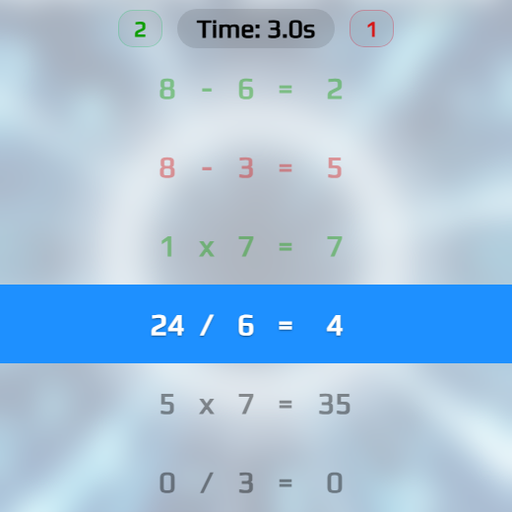
- Fluency with operations. Math Sprint pushes speed, while Factors Game makes you decide whether a number divides another before you commit.
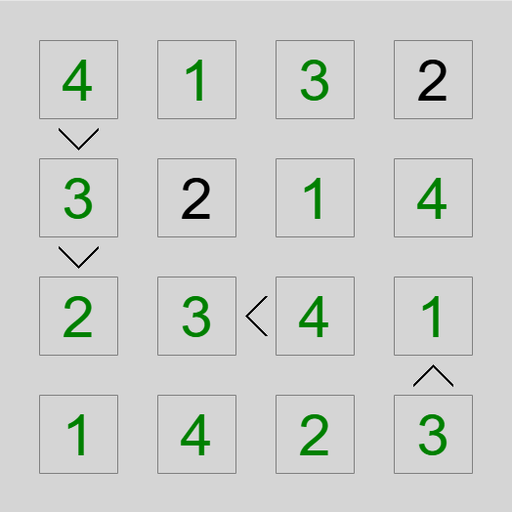
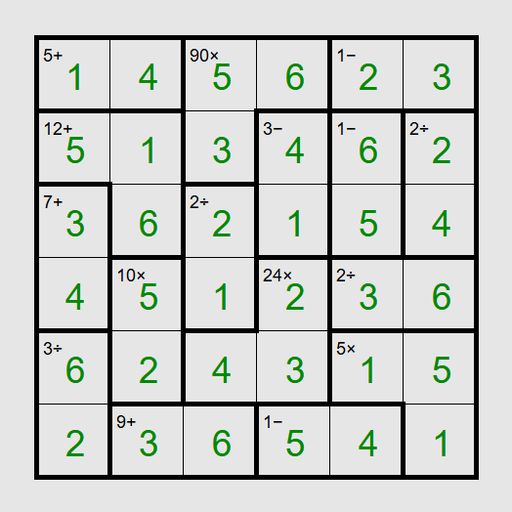
- Constraint reasoning. Math Cage Grid and Greater-Than Grid combine Latin squares with sums, products and inequalities, so every digit you place limits the rest of its row and column.
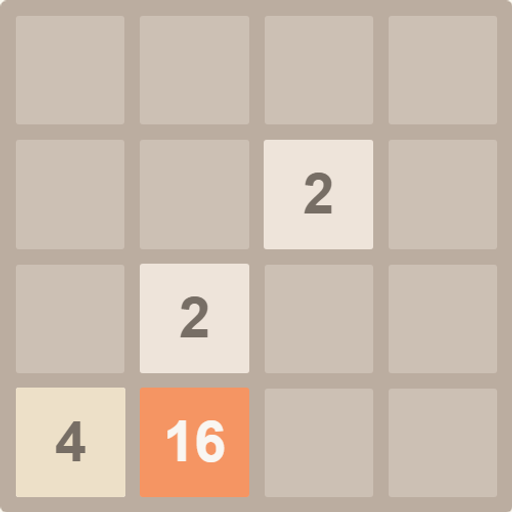
- Powers and doubling. In 2048 each merge doubles a tile, and planning a corner strategy is really planning around powers of two.
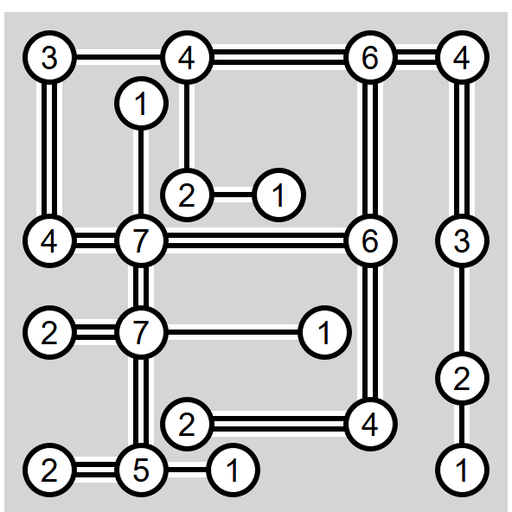
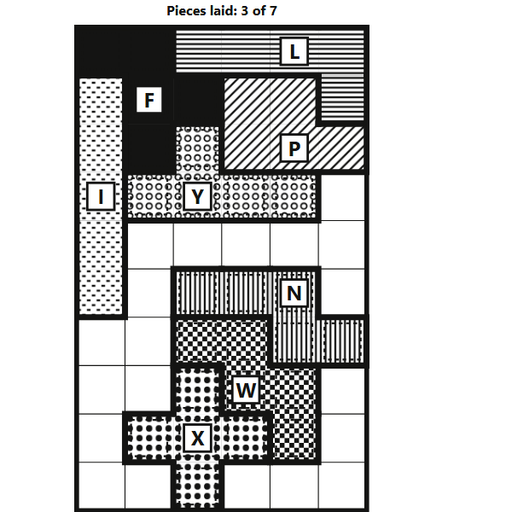
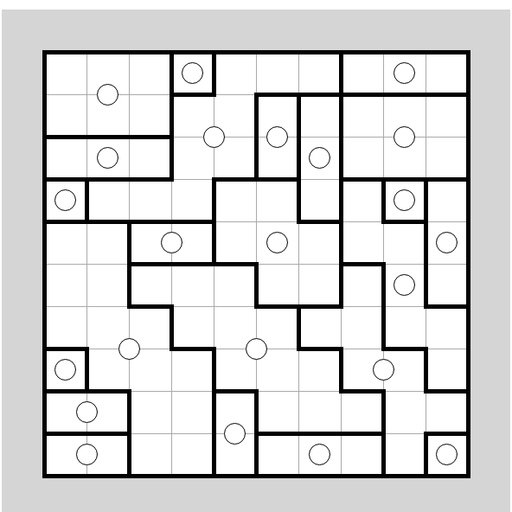
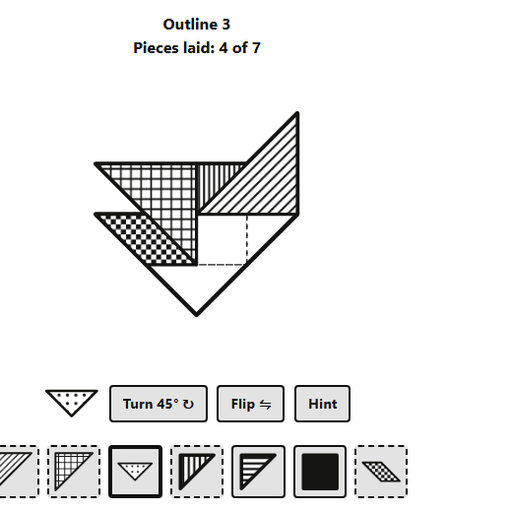
- Spatial sense. Tangram and Five-Square Tiling Puzzle train you to picture rotations, and Galaxies Symmetry Puzzle is a lesson in half-turn symmetry.
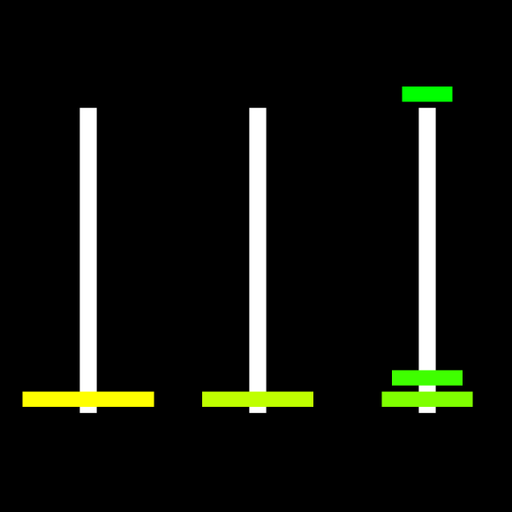
- Recursive thinking. Tower of Hanoi has a minimum move count that doubles (plus one) with each extra ring, a pattern many students can discover on their own.
How the games differ
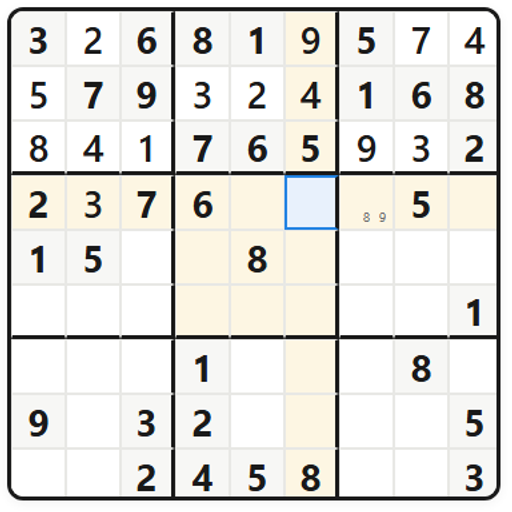
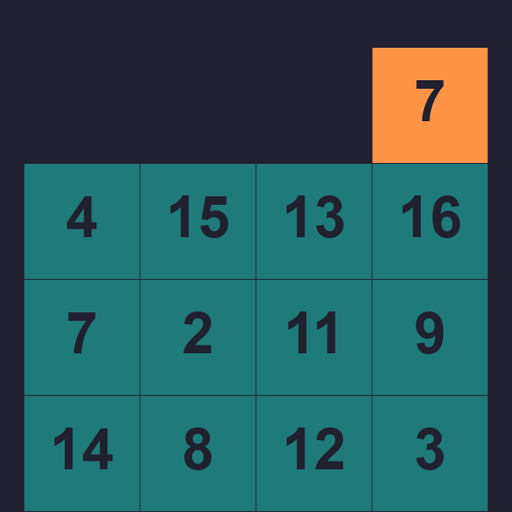
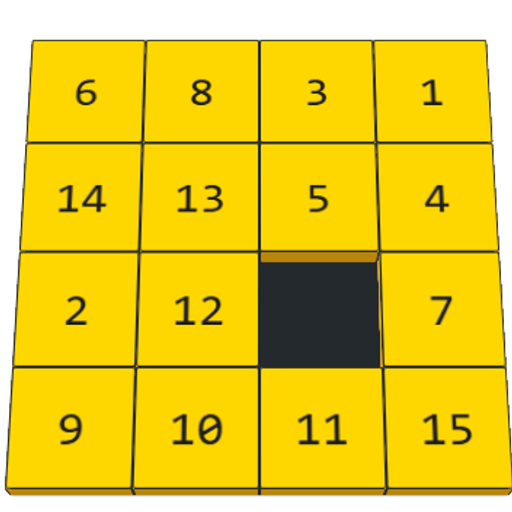
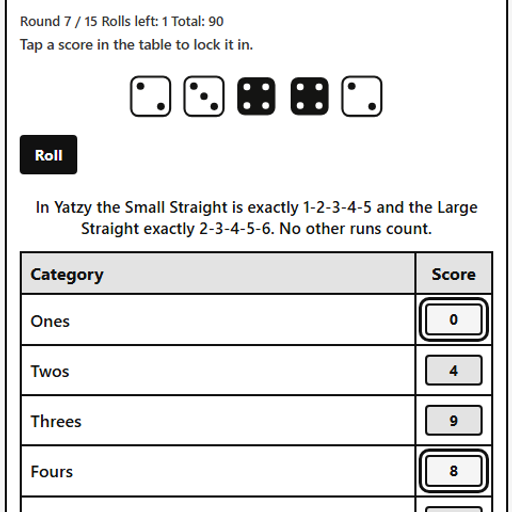
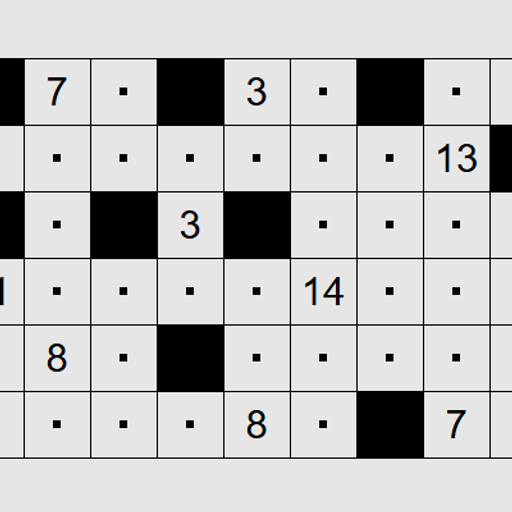
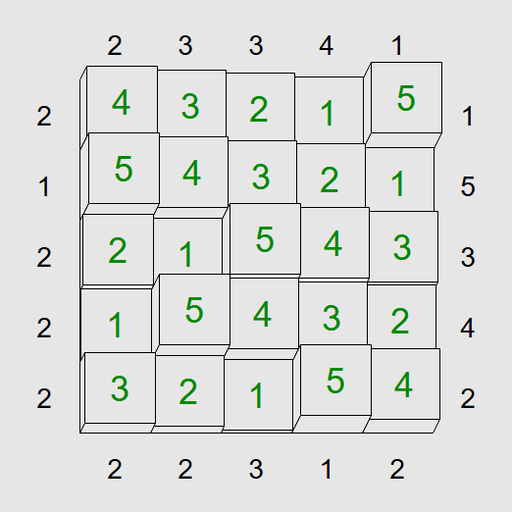
The games split roughly into three speeds. Timed games such as Math Sprint are short and intense. Sliding and merging games like 2048 and Fifteen Slide are relaxed but reward a plan. Pure logic grids like Sudoku Flow and Skyscraper Sightlines have no clock at all, so you can stop and think as long as you need. Five Dice Scorecard is the odd one out: it is about probability and expected value, since you decide which dice to keep and which box to sacrifice.
Where to start
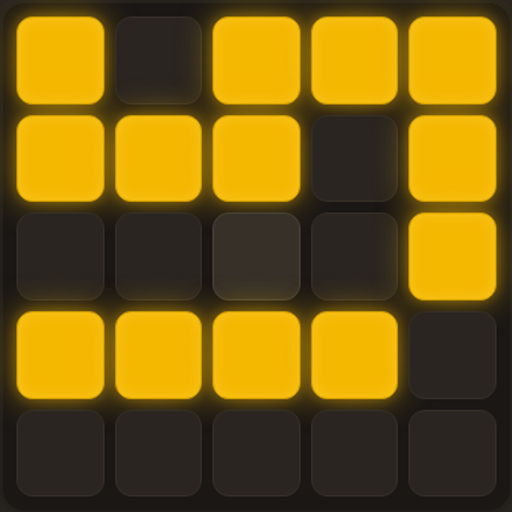
If you want a warm-up, try Math Sprint for two minutes. If you prefer puzzles, start Sudoku Flow on an easy level, then move to Math Cage Grid once Latin squares feel natural. Younger players often enjoy Tangram and Light Switch Grid because the rules take seconds to learn.
Who these suit
Upper elementary and middle school students get the most from the arithmetic and tiling games. High schoolers and adults tend to prefer the harder grids, where a single puzzle can take twenty minutes of careful deduction. Teachers can use any of them as a short starter activity because nothing needs installing and there are no accounts.