
Games for the kitchen table, on a screen
This category gathers the board games people have played with family for generations. Some are pure skill, some lean on dice, and several come from ancient Egypt, Mesopotamia or Asia. All of them let you play against the computer or pass the device to someone next to you.
What each kind teaches
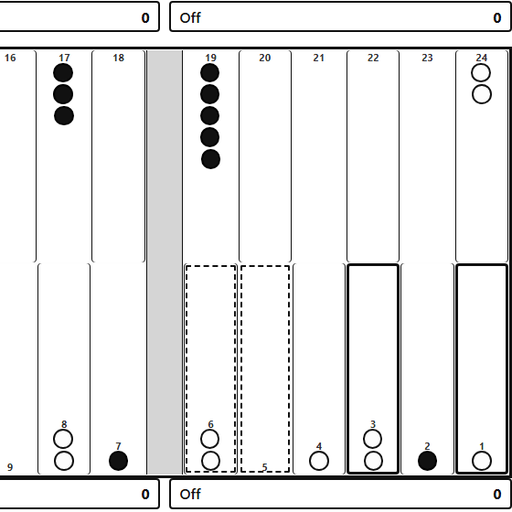
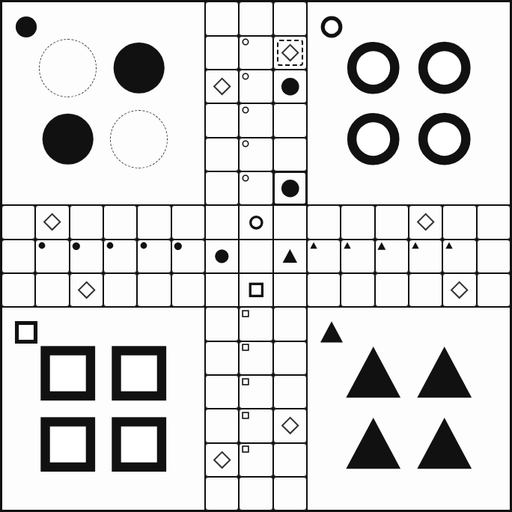
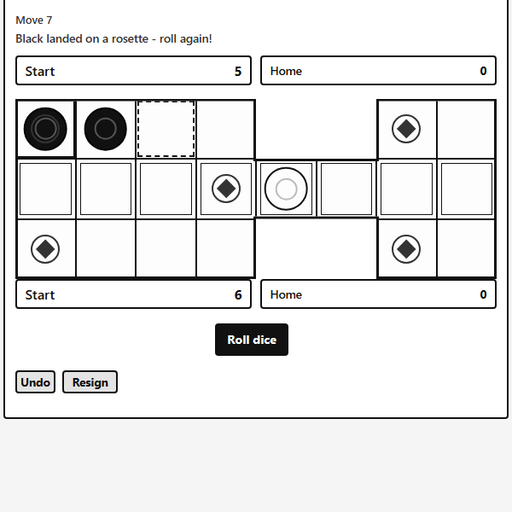
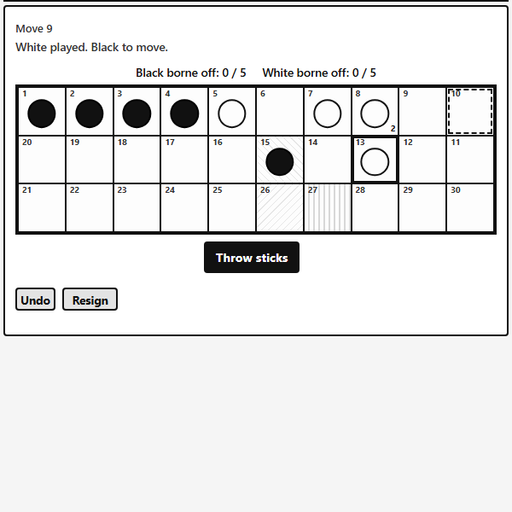
Race games with dice. Backgammon, Ludo, Senet and the Royal Game of Ur teach risk management. You learn to weigh the odds of a roll, decide when to leave a piece exposed and when to play safe. The Ur game uses four binary dice, which makes a nice small lesson in probability distributions.
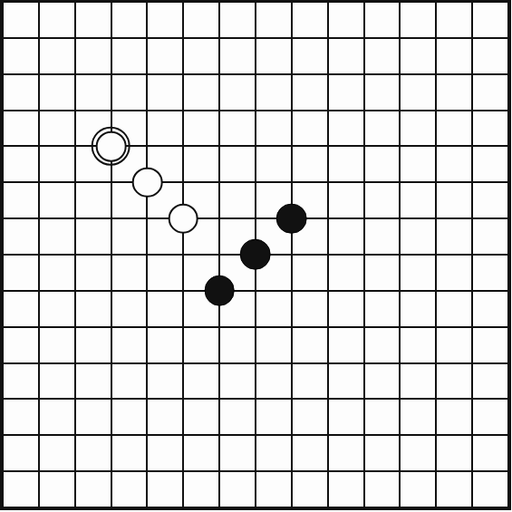
Connection games. Four in a Row and Gomoku are about building double threats, so your opponent cannot block both at once.
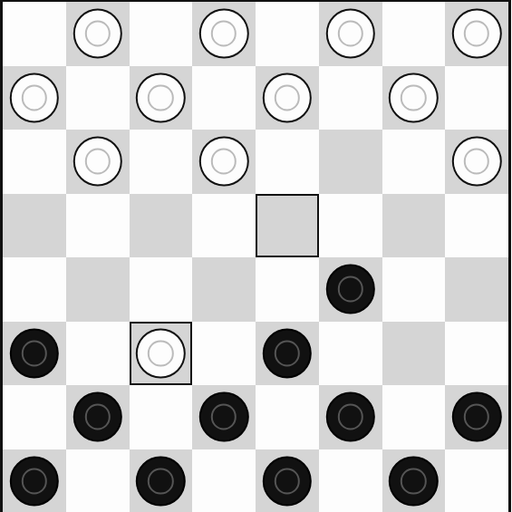
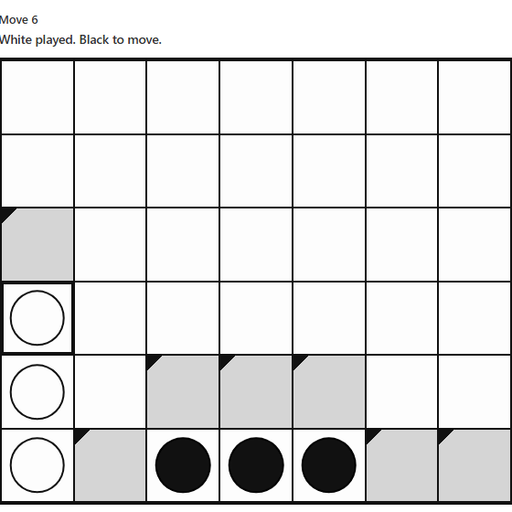
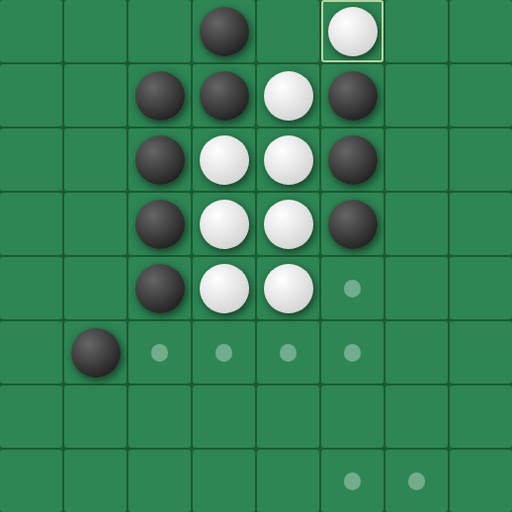
Capture and territory games. Checkers has forced jumps, which means you can set traps that make the other side give pieces away. Universal Reversi adds a twist: lines wrap around the edges, so the usual corner strategy no longer works.
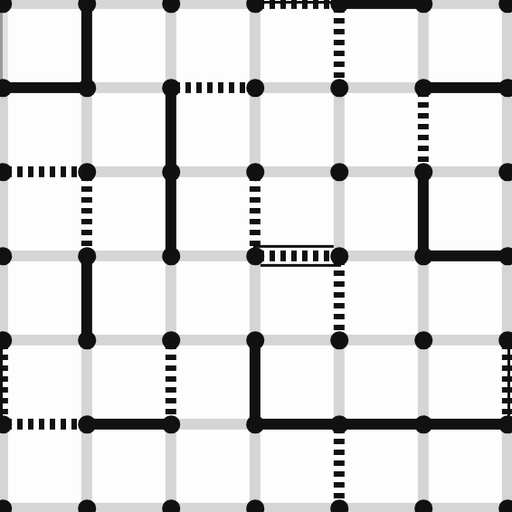
Counting games. Mancala asks you to count seeds exactly to earn extra turns and captures. Dots and Boxes looks simple, yet strong play depends on parity, the idea of counting the long chains near the end.
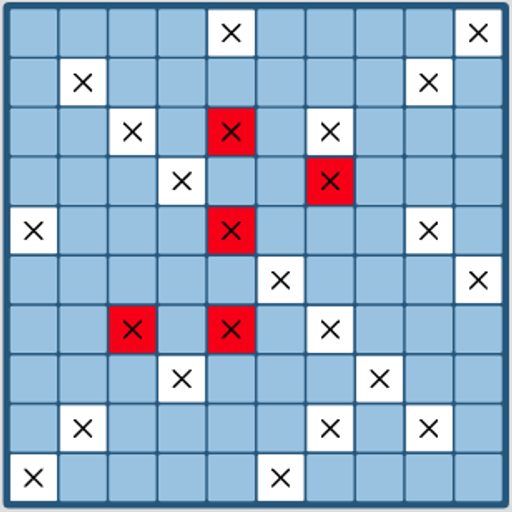
Deduction. Fleet Strike is a hidden-ships game where shooting in a checkerboard pattern beats random guessing.
Choosing one
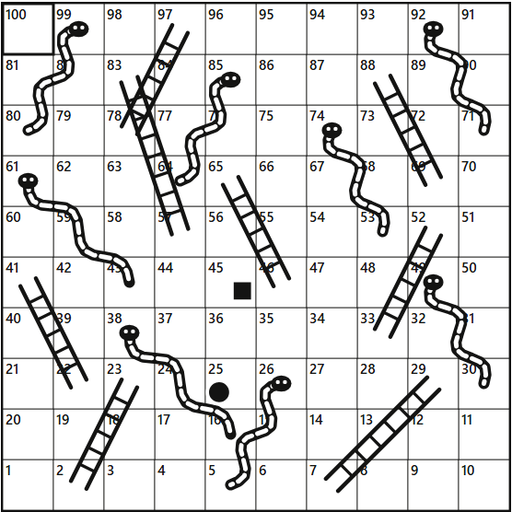
For young children, Snakes and Ladders and Ludo teach turn taking and counting. For a quick head-to-head with a friend, try Four in a Row or Dots and Boxes. If you want something deep that you can study for years, Backgammon and Checkers reward practice. History fans should try Senet and Ur, two of the oldest known board games.
Who they suit
Families, classrooms with shared devices, and anyone who wants a familiar game without setting up a board. The adjustable computer levels let beginners win early and then raise the challenge.