What action games train
Action games are honest fun rather than math in disguise. What they do build is real: reaction time, tracking many objects at once, and making quick decisions while the screen is busy. Players who get good at them learn to read patterns in enemy movement instead of panicking.
Space and flying shooters
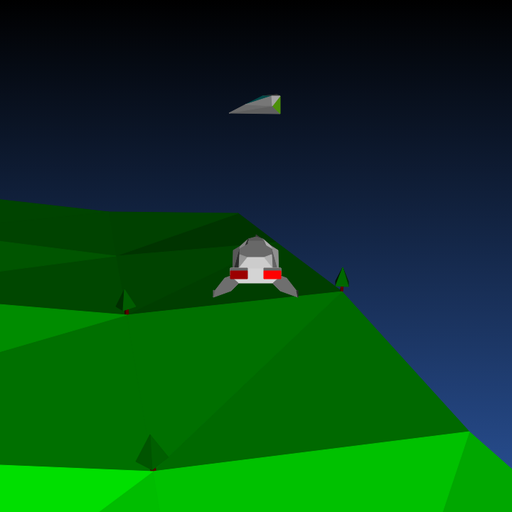
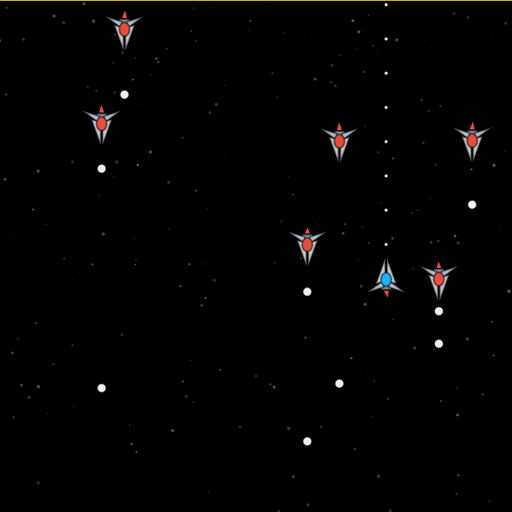
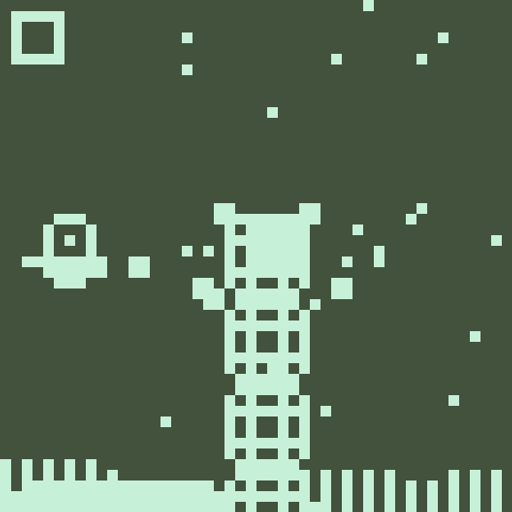
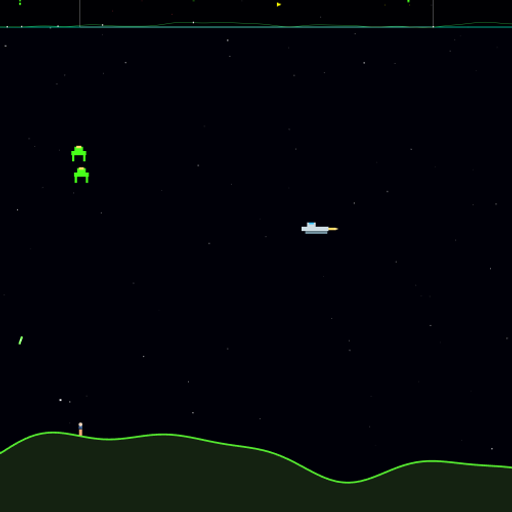
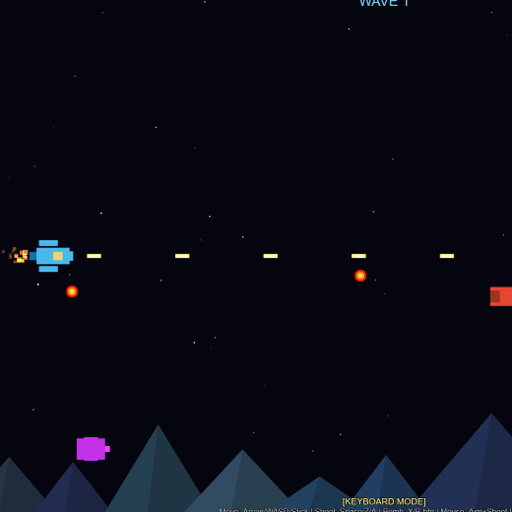
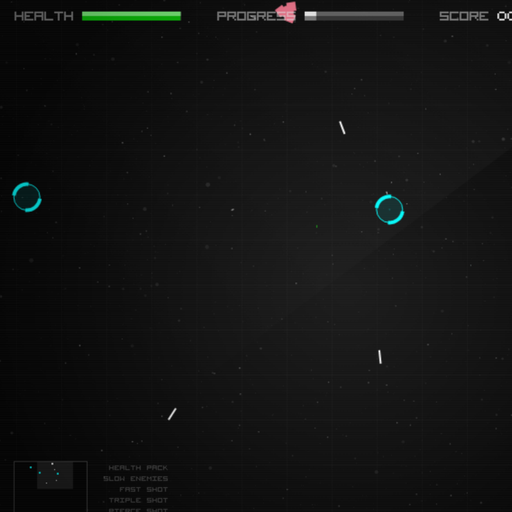
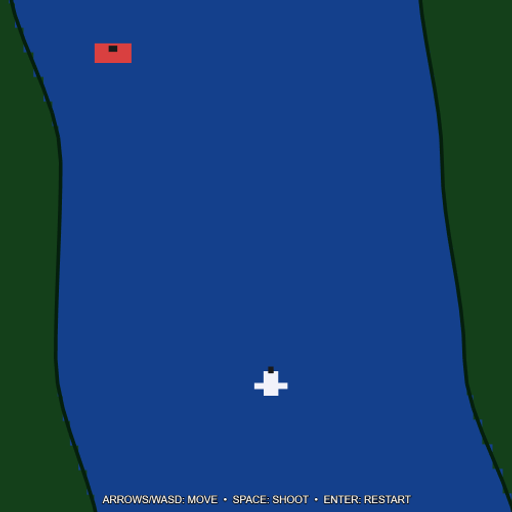
Bullet Hell Space Shooter is about weaving through dense patterns, with slow motion and bombs as escape tools. Powerwing and River Strike scroll over landscapes, and River Strike adds fuel management. Planet Protector asks you to rescue people as well as shoot. Radius Raid uses twin-stick style controls, steering with keys and aiming with the mouse. Egg Time Rewind turns each lost life into a ghost ship that helps you, and Backspace: Return to Figadore flies low over a 3D planet.
Platformers and arenas
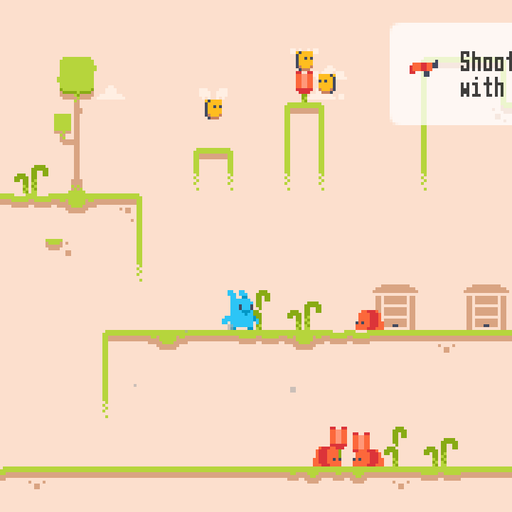
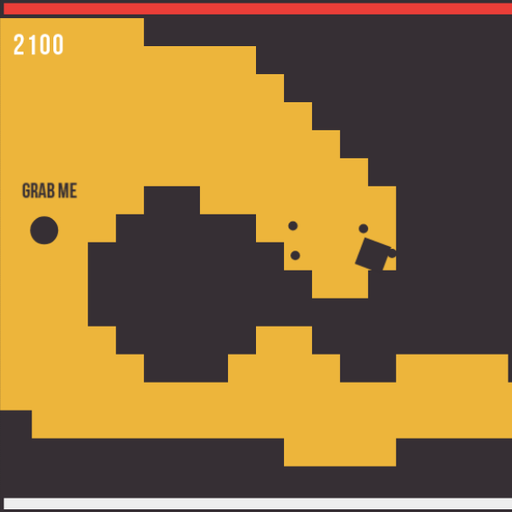
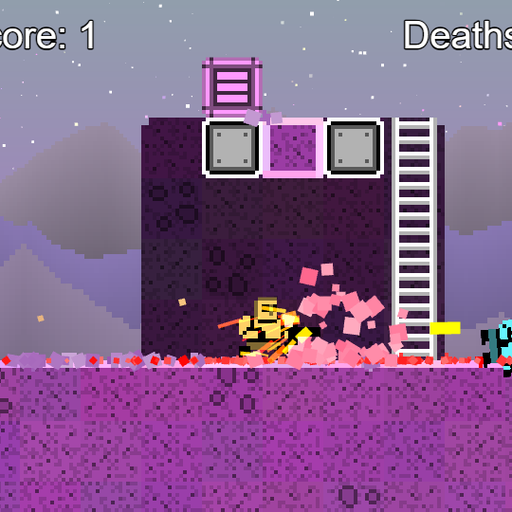
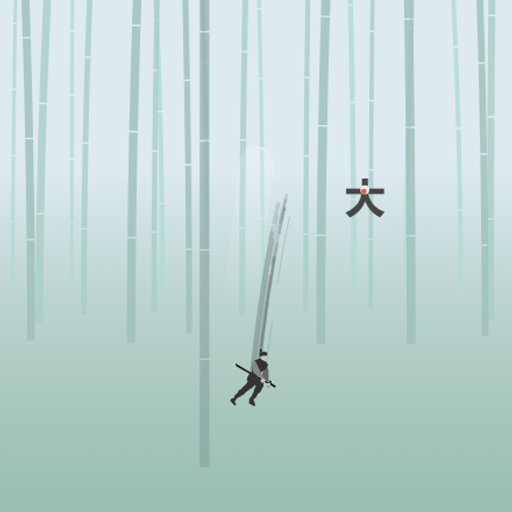
Little Platformer has walls you can blast apart. Bee Kind spreads its challenge over seven levels. Stolen Sword uses a pull-and-release fling, which makes it as much about aiming arcs as reflexes. Lost City of S has a curse that strikes every 13 seconds, so timing your progress matters.
Survival and tactics
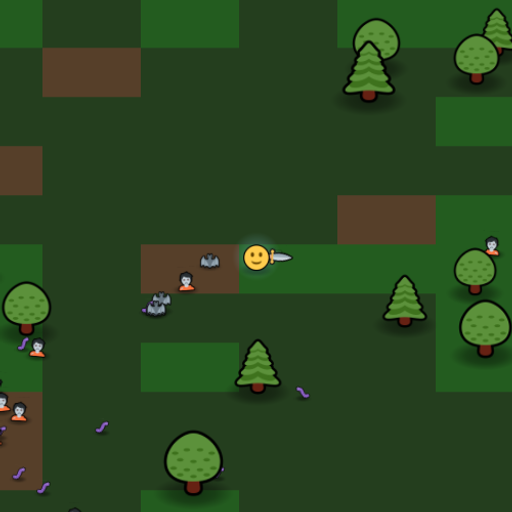
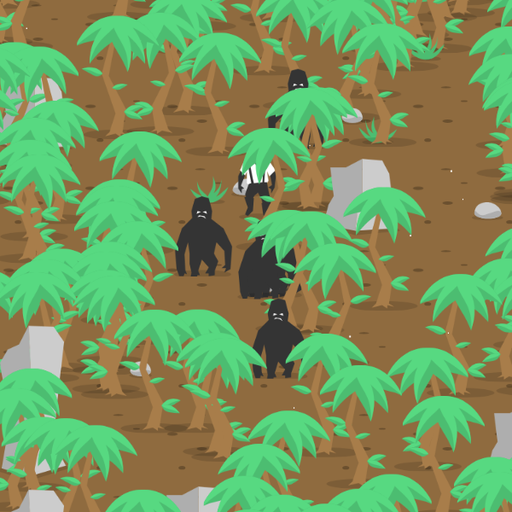
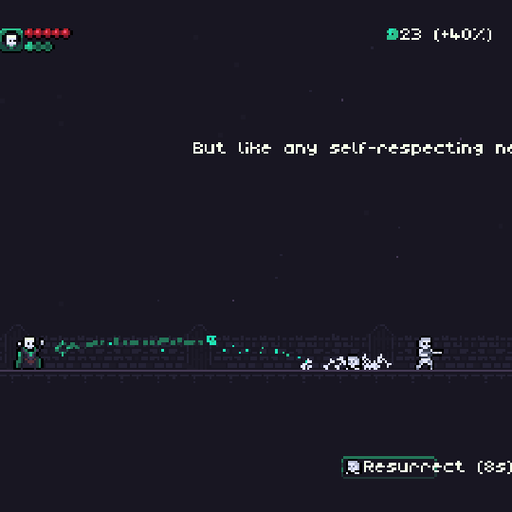
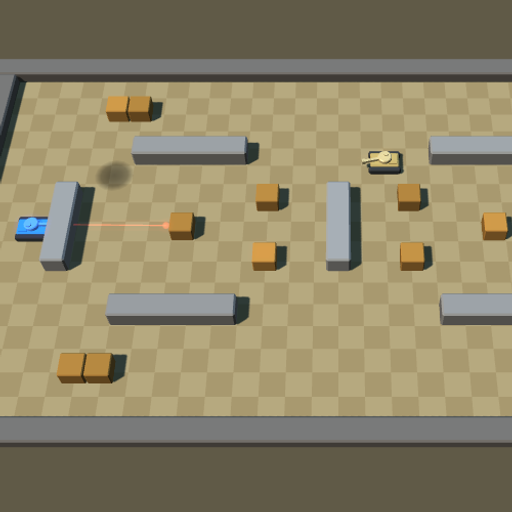
Emoji Horde is a survival game where your weapons fire automatically and you focus on movement. Norman the Necromancer adds arcing spells and upgrade choices between levels. Tank Ricochet rewards planning bank shots off walls, which is real geometry. Hurry Cave Shooter is fast and endless.
Head to head
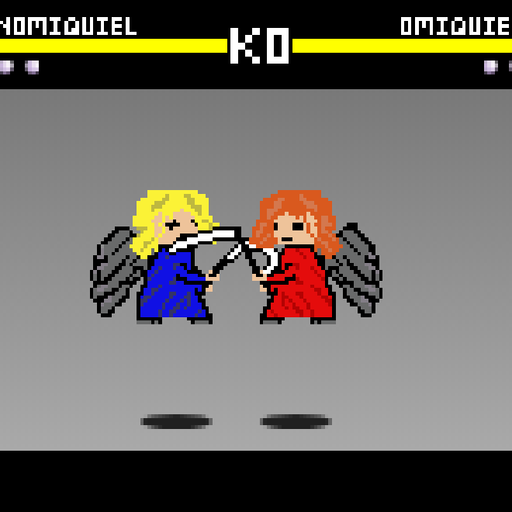
The Reapers: Tournament of Destiny is a two-player fighting game with only an attack and a parry, so it is about reading your opponent.
Who they suit
Action games suit older kids, teens and adults who want a break with energy in it. Short rounds make them easy to fit between tasks. If you want action with more thinking, try Tank Ricochet or Norman the Necromancer first.