Pure decisions, no luck
In an abstract strategy game every piece is visible and every result follows from the moves. If you lose, it was a choice that did it, which makes these games honest teachers of planning. They are also some of the oldest games people still play.
The chess family
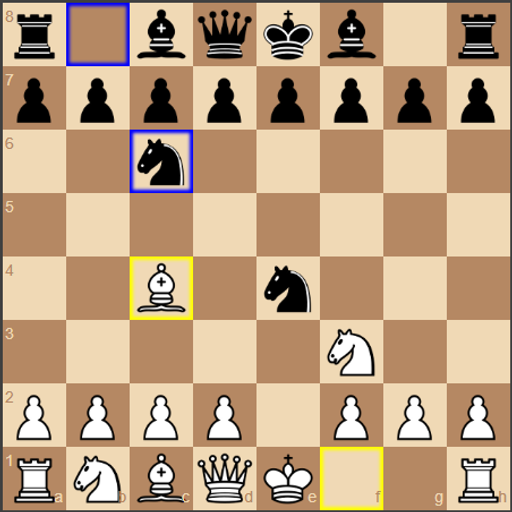
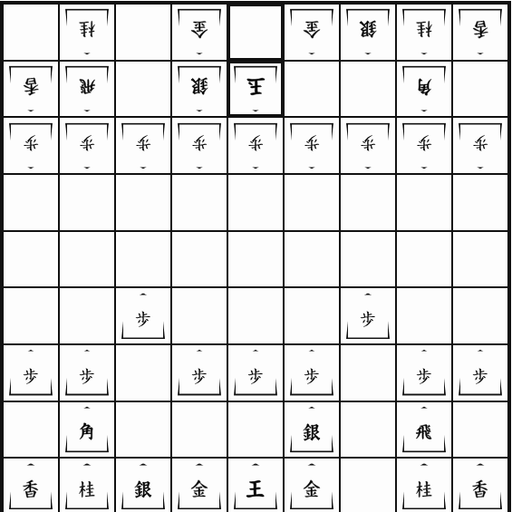
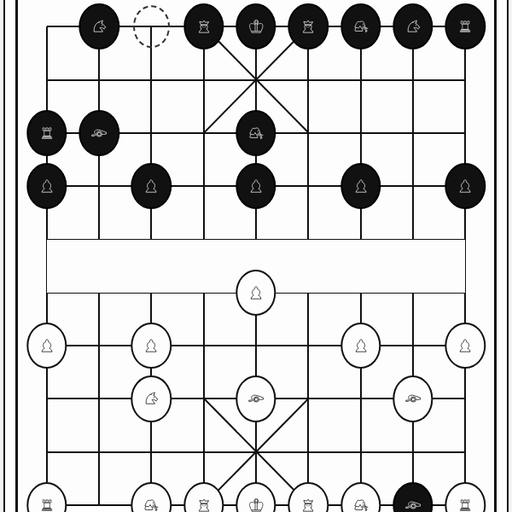
Chess vs Computer lets you set the engine’s search depth and ask for hints, so it works for learners. Shogi adds drops, where captured pieces come back on your side, making attacks sharper. Xiangqi has a river and palaces that shape how pieces move. Playing all three shows how small rule changes reshape strategy.
Territory and connection
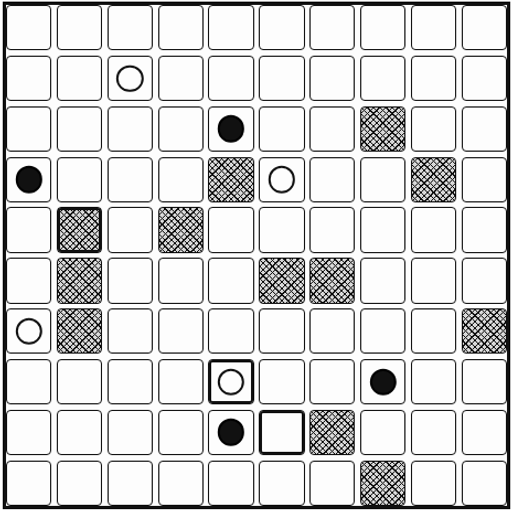
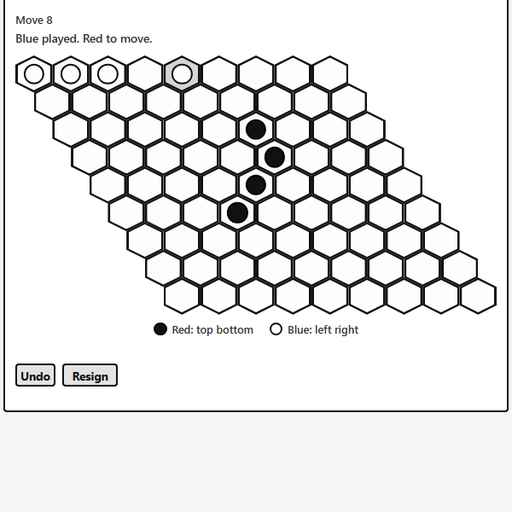
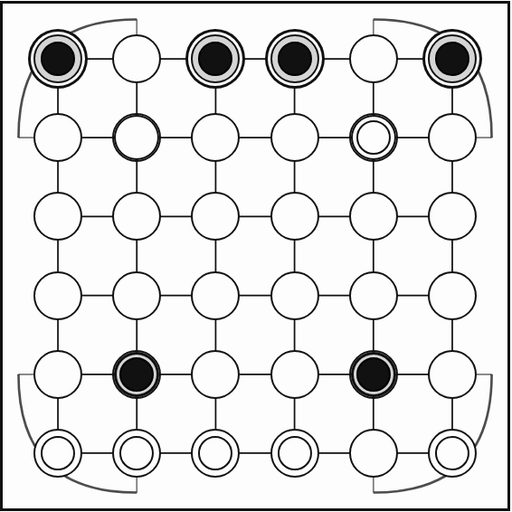
Go is about surrounding space, and the 9x9 board is a good place to start before moving to 19x19. Hex is a connection game that can never end in a draw, a fact with a famous mathematical proof. Game of the Amazons shrinks the board with every arrow, so you are always counting reachable squares.
Hunt and capture games
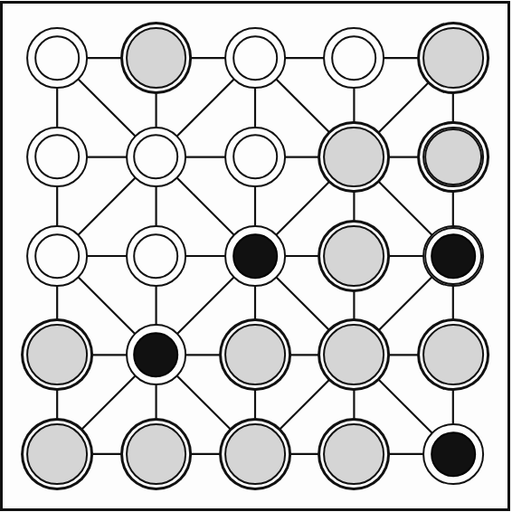
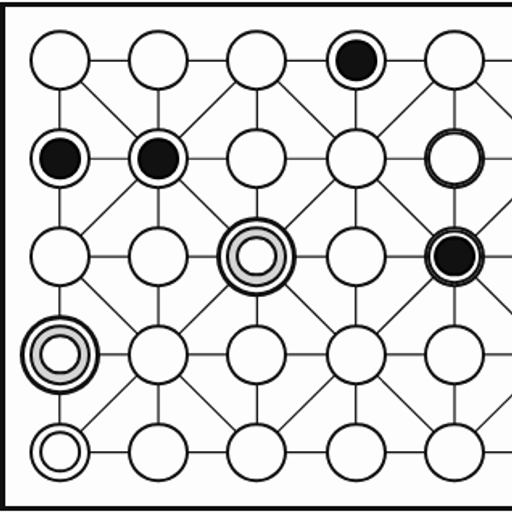
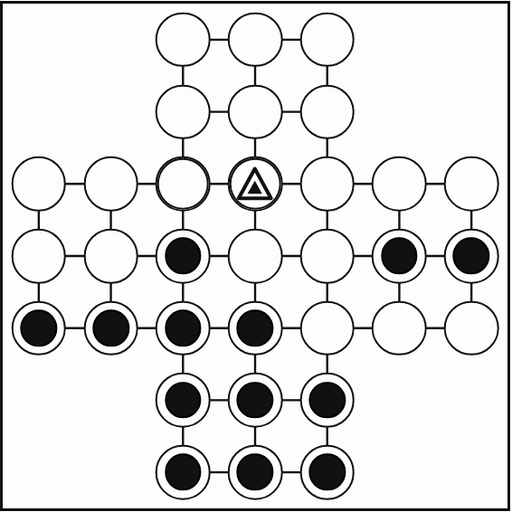
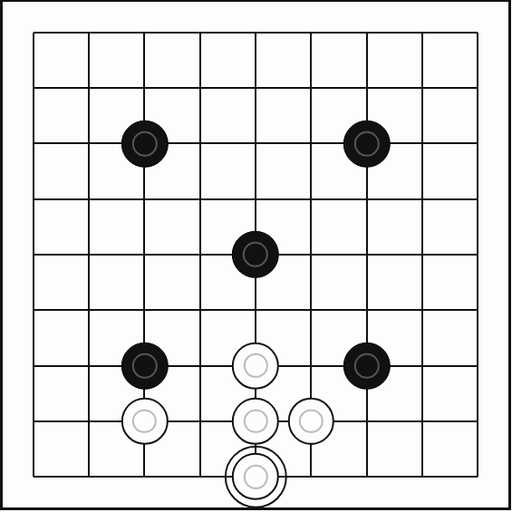
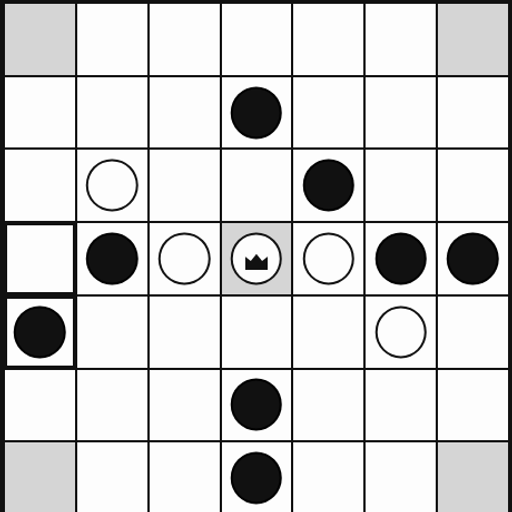
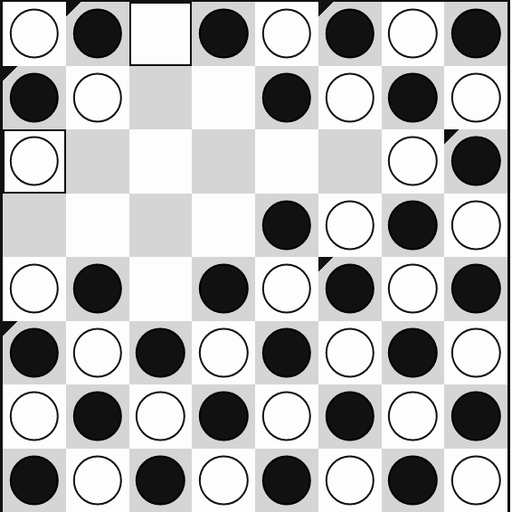
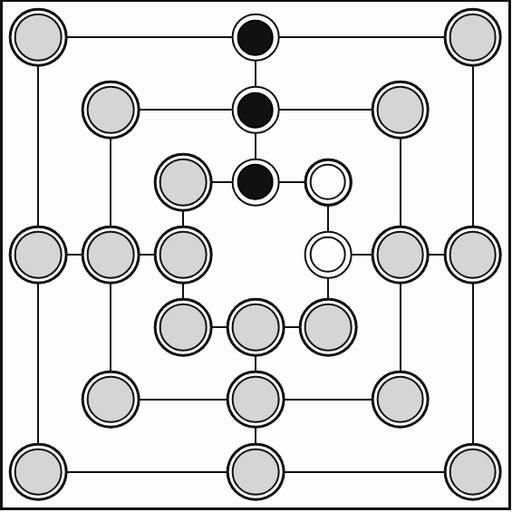
Several games give the sides different goals. In Hnefatafl the king runs for a corner while attackers close in. Bagh-Chal and Fox and Geese pit a few strong pieces against many weak ones. Fanorona and Surakarta have unusual capture rules, by approach and withdrawal or by riding loops. Nine Men’s Morris and Konane are compact and quick.
Skills you build
These games train calculation (reading several moves ahead), evaluation (judging which position is better) and patience. Hunt games also teach you to think from the other side, since your opponent wants something different from you.
Where to begin
New players should try Nine Men’s Morris or Hex first, then Chess vs Computer on a low depth. If you already play chess, try shogi or xiangqi for a fresh challenge. Students in chess clubs, puzzle fans and adults who like a slow, thoughtful game will get the most from this category.