Programming as a puzzle
Each game here turns a programming idea into a level with a clear goal. You write instructions, run them and watch what happens. If the result is wrong, you fix your code and try again, which is exactly how real programmers work.
A path from blocks to real code
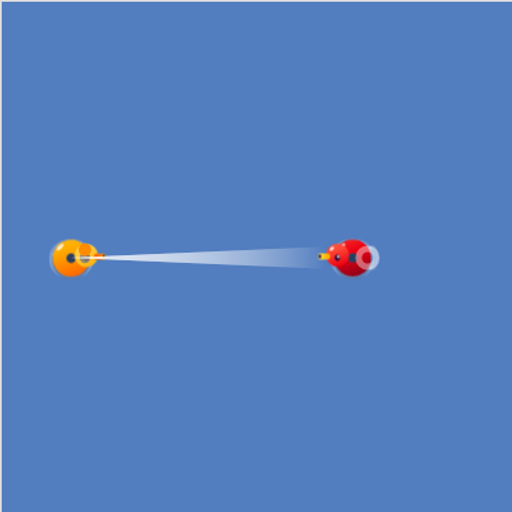
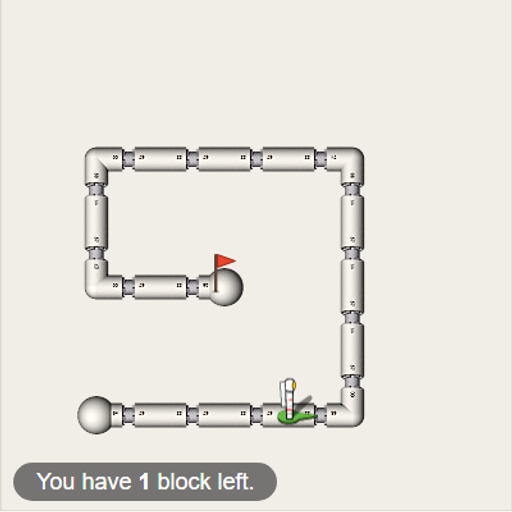
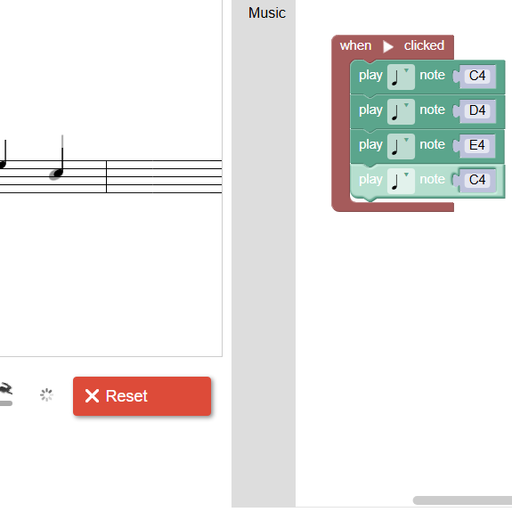
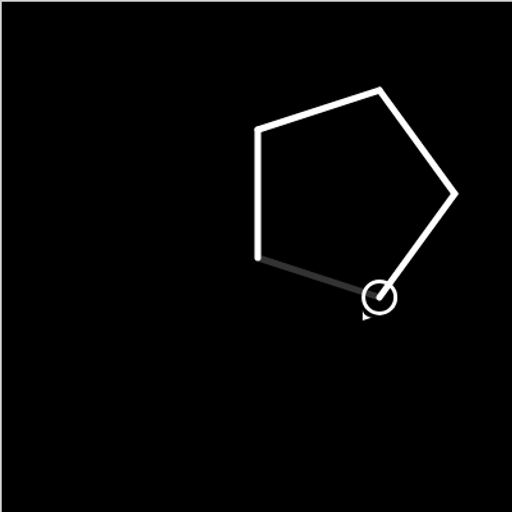
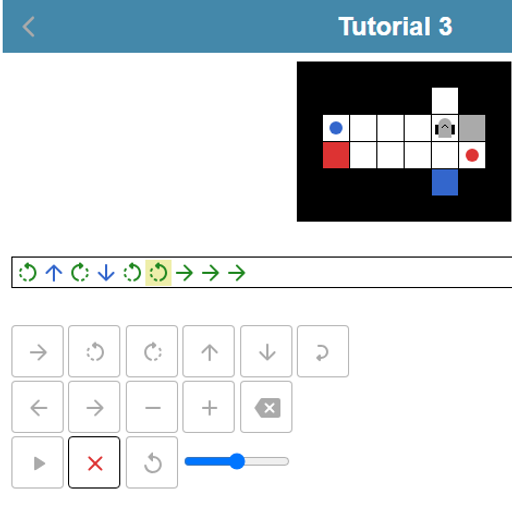
Start with blocks. Block Code Maze teaches sequence, loops and if statements by steering an astronaut through pipe mazes. Block Code Turtle Art uses the same ideas to draw shapes, so a repeat loop becomes a visible star. Block Code Music introduces functions and running several scripts at once, and Robot Coder asks you to plan a whole program before pressing play. Block Code Duck Pond bridges the gap by showing the JavaScript behind your blocks.
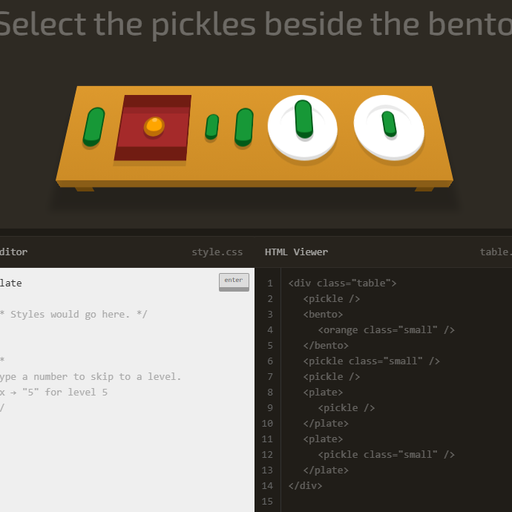
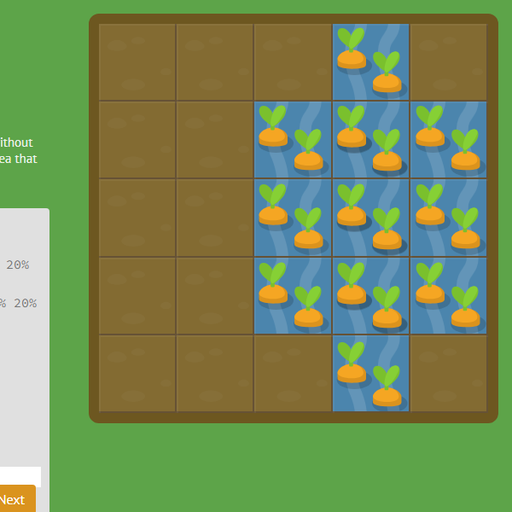
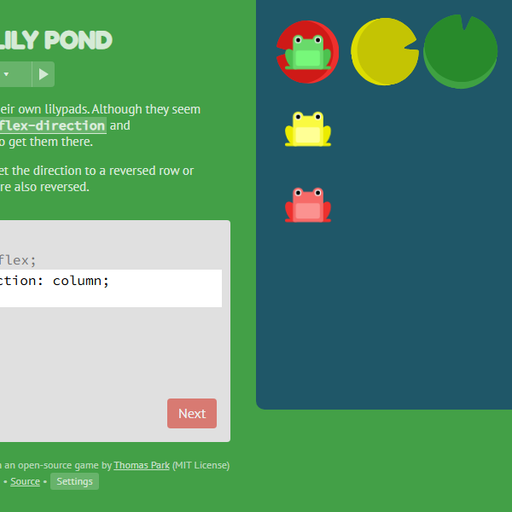
Move to styling languages. CSS Diner teaches selectors one type per level. Flexbox Lily Pond and CSS Grid Carrot Patch cover the two main layout systems used on modern websites.
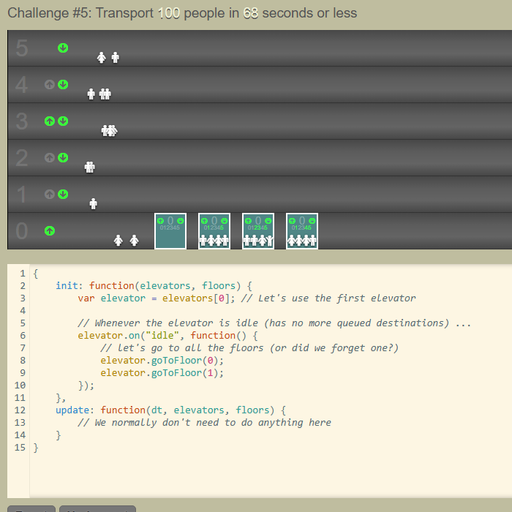
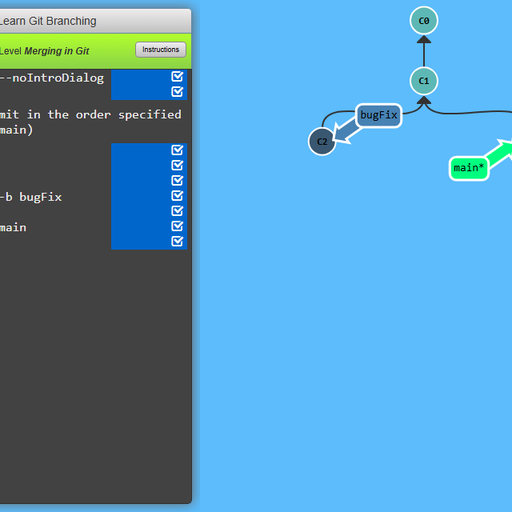
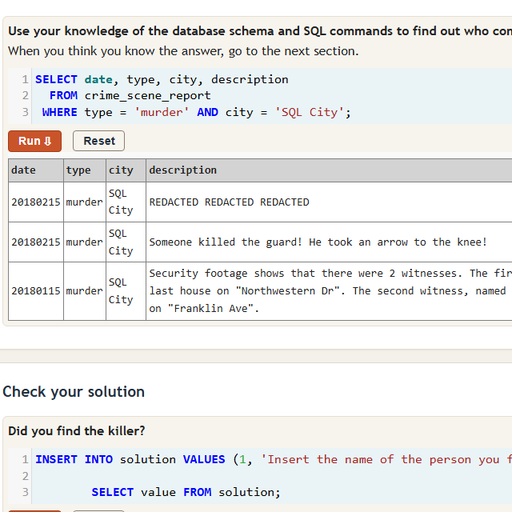
Then write programs. Elevator Saga is open-ended JavaScript where you design an algorithm to move passengers efficiently. SQL Detective Mystery has you query a database to solve a crime, and Learn Git Branching visualizes how commits and branches change as you type commands.
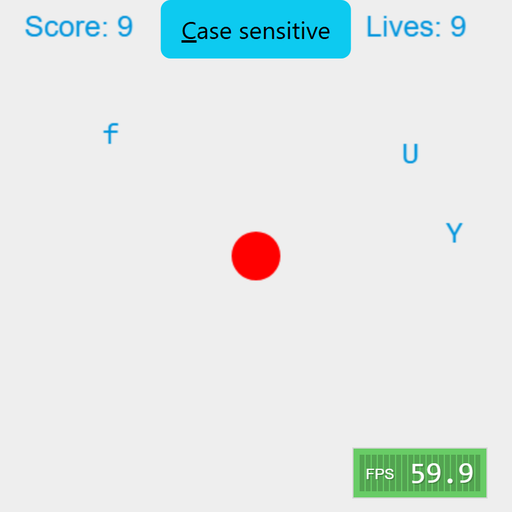
Typer Defense is a side trip: it builds keyboard speed, which helps once you start typing code.
What these games build
Beyond syntax, they teach decomposition (breaking a goal into steps), debugging (spotting why a run failed) and abstraction (using a loop or function instead of repeating yourself). The CSS and SQL games also build careful reading, because one wrong character changes the outcome.
Who they suit
Parents can start a young child on the block games with no prior knowledge. Teachers running an hour of code can assign a CSS game or Block Code Maze and let students work at their own pace. Teens thinking about computer science will find Elevator Saga and SQL Detective Mystery challenging enough to take several sessions.